

Falkon Focus: Buying beauty products on Amazon isn’t inherently risky, but buying from unauthorized sellers can be. Gray market inventory often includes authentic products that were improperly sourced, stored, or diverted from approved channels, leading to issues like expiration, tampering, or reduced effectiveness. As premium beauty continues to grow on marketplaces, seller behavior, not the platform itself, has become the primary risk factor. Gray Falkon helps brands protect customer trust by monitoring unauthorized sellers, engaging marketplaces, and maintaining consistent control over how beauty products are sold online.
Amazon has become one of the most popular destinations for buying beauty and skincare products online. From everyday essentials to high-end serums and treatments, shoppers are drawn to the convenience, pricing, and fast delivery that marketplaces offer. For many consumers, buying beauty products on Amazon feels no different than purchasing electronics, apparel, or household goods.
But beauty products carry a different set of expectations and risks. Shelf life, storage conditions, ingredient stability, and product integrity all matter more when items are applied directly to the skin. In this category, where trust and consistency are critical, the question isn’t whether Amazon is a legitimate place to shop. It’s whether the seller behind the listing is authorized and correctly sourcing products.
Most issues tied to beauty purchases on marketplaces don’t stem from counterfeits alone. They often involve gray market inventory and unauthorized sellers. These items may be expired, improperly stored, or diverted from approved distribution channels, creating a disconnect between what consumers expect and what they receive.
Understanding how unauthorized sellers operate, and why beauty products are especially vulnerable to these risks, is essential for both shoppers making informed decisions and brands working to protect customer trust.
Why Are Beauty Products Especially Sensitive?
Not all products carry the same level of risk when something goes wrong. Beauty and skincare products are uniquely sensitive because their quality, safety, and effectiveness depend on factors that aren’t always visible at the time of purchase.
Many beauty products have limited shelf lives and rely on carefully controlled formulations. Active ingredients like retinol, vitamin C, peptides, and acids can degrade over time, especially when exposed to heat, light, or air. Even when a product is authentic, improper storage or extended time in transit can reduce its effectiveness or alter how it performs on the skin.
Storage and handling are equally important. Skincare products are affected by temperature fluctuations and humidity. Products that have passed through multiple warehouses, international shipping routes, or non-climate-controlled storage environments may no longer meet the brand’s quality standards, even if the packaging appears intact.
There is also the issue of product integrity. Beauty items may be opened, tampered with, or repackaged before resale. Seals can be broken, batch codes removed, or outer packaging replaced. These changes aren’t always obvious to shoppers, but they can impact both safety and performance.
Because beauty products are applied directly to the skin, consumers tend to associate any negative experience, irritation, reduced effectiveness, or unexpected texture changes with the brand itself. Although there is always a chance that an ingredient or combination of ingredients interacts negatively with your skin, the reality is that the issue can be traced back to how the product was sourced, stored, or handled before it reached the customer.
This sensitivity is what makes beauty products especially vulnerable to issues caused by unauthorized sellers. The risks are not always dramatic or immediate, but they are real, and they can quietly undermine trust over time.
The Role of Unauthorized Sellers in Beauty Listings
When issues arise with beauty products on marketplaces, the root cause is often not the product itself, but who is selling it and how it was sourced. Unauthorized sellers play a central role in introducing risk into beauty listings, particularly for premium skincare and cosmetics.
Unauthorized sellers are third-party sellers who are not approved by the brand to sell its products. They may source inventory through gray market channels such as surplus stock, international distributors, retail arbitrage, cargo heists, or liquidation. While the products themselves are often authentic, they were never intended to be sold through those channels or in that market.
In the beauty category, this matters because products are frequently diverted outside of controlled distribution networks. Items intended for overseas markets, professional use, promotional programs, or specific retailers can end up on marketplaces without the brand’s knowledge. Along the way, products may sit in uncontrolled storage environments, pass through multiple handlers, or be resold after returns.
Pricing is often what attracts shoppers to these listings. Unauthorized sellers may offer lower prices because they bypass brand pricing strategies or sell inventory acquired at a discount. While this can look like a good deal, it also removes important safeguards around freshness, handling, and traceability.
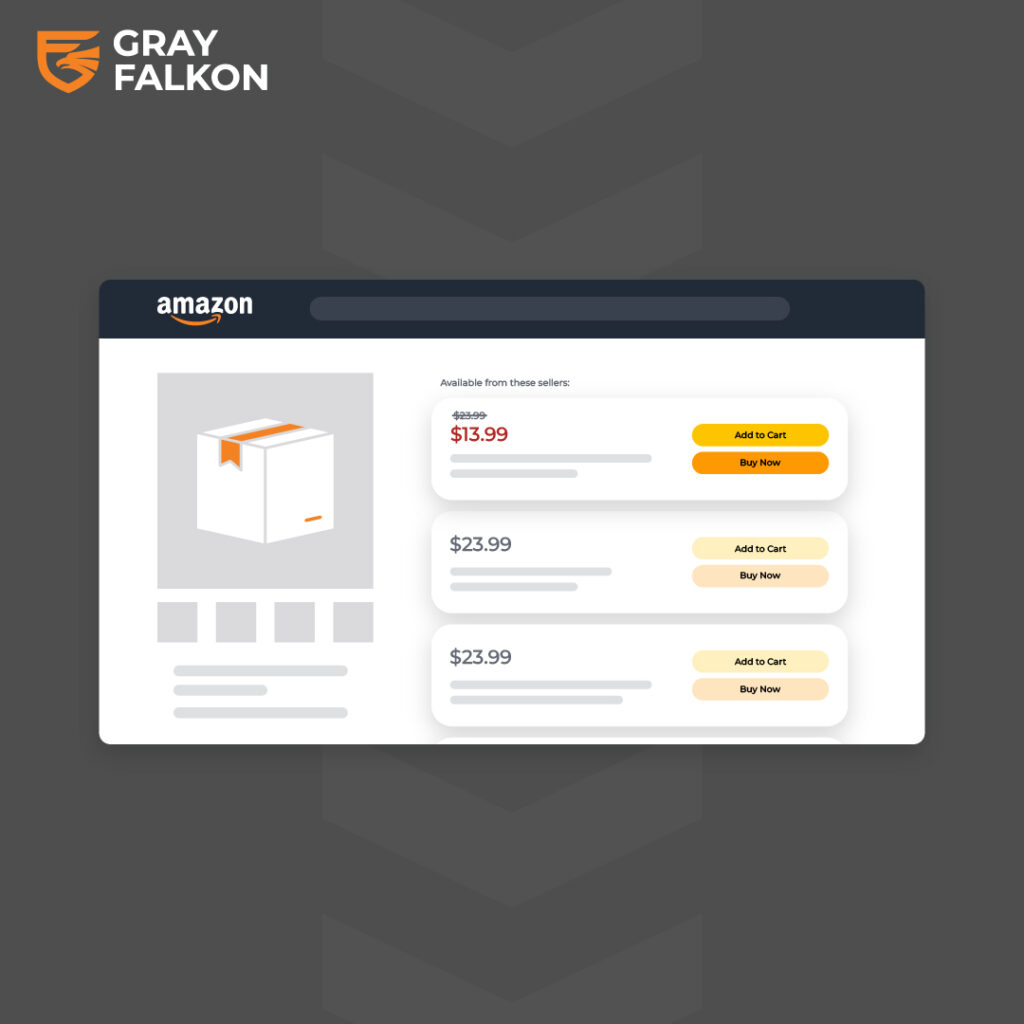
Another challenge is that unauthorized sellers can blend into legitimate listings. On marketplaces like Amazon, multiple sellers may offer the same product under a single listing. Shoppers may not realize they are purchasing from a different seller each time, even though the product detail page looks identical.
For beauty brands, this creates a difficult dynamic. Customers experience issues tied to sourcing and handling, but attribute those issues to the brand. Over time, unauthorized sellers erode trust, distort pricing, and weaken the consistency that premium beauty brands rely on.
Understanding the role unauthorized sellers play is key to making informed purchasing decisions and to recognizing why seller oversight is such a critical part of protecting beauty brands on marketplaces.
Gray Market vs. Counterfeit in Beauty Products
When shoppers hear about risk in beauty marketplaces, counterfeit products often come to mind first. While counterfeits are a real concern, they are not the most common issue affecting premium beauty products on marketplaces. In many cases, the bigger and more widespread risk comes from gray market inventory sold by unauthorized sellers. Understanding the difference matters, especially in categories like skincare and cosmetics, where product condition and handling directly affect performance.
Counterfeit Beauty Products
Counterfeit products are fake items designed to imitate a brand’s appearance and packaging but are not produced by the brand itself. Common characteristics include:
- Imitation formulas that do not match the original product
- Packaging that looks similar but lacks quality controls
- No legitimate batch codes or traceability
- Higher potential safety risks due to unknown ingredients
Counterfeits are illegal and typically addressed through trademark and intellectual property claims.
Gray Market Beauty Products
Gray market products are authentic, brand-made items that are sold outside of approved distribution channels. They are not fake, but they are often mishandled or improperly sourced. Common gray market issues include:
- Expired or near-expiration products
- Items intended for international markets with different formulations
- Products stored in non-climate-controlled environments
- Removed or altered batch codes
- Opened, returned, or repackaged units
- Inventory diverted from retailers, wholesalers, or professional channels
Because these products are real, they often bypass the suspicion shoppers associate with counterfeits. The listing may look legitimate, and the price may appear like a reasonable discount rather than a red flag.
Why is the Gray Market Especially Risky for Premium Beauty?
For high-end skincare and cosmetics, gray market products can be just as damaging as counterfeits. Degraded active ingredients, altered textures, or reduced efficacy lead to poor customer experiences that consumers attribute to the brand, not the seller. This is why many negative reviews tied to beauty products on marketplaces are not caused by fake items, but by authentic products that were never meant to be sold that way.
What Should Shoppers Look For When Buying Beauty Products on Amazon?
Buying beauty products on Amazon doesn’t have to be risky, but it does require paying attention to a few important details. The biggest differences in product quality and safety often come down to who the seller is, not the product itself. Here are key factors shoppers should check before purchasing beauty or skincare products on Amazon:
Check Who the Product Is Sold By
Always look at the “Sold by” and “Ships from” information on the listing. Products sold directly by the brand or an authorized storefront are more likely to meet quality and handling standards. Red flags include:
- Seller names you don’t recognize
- Newly created seller accounts
- Sellers offering unusually large discounts on premium products
Be Cautious of Prices That Feel Too Good to Be True
Significant discounts on luxury beauty often indicate gray market sourcing. While sales happen, steep and consistent price undercutting may suggest:
- Expired or near-expiration inventory
- Diverted international stock
- Products sourced through liquidation or returns
In beauty, a lower price frequently correlates with higher risk.
Review Packaging and Product Details Carefully
Product images and descriptions can offer clues about authenticity and handling. Things to watch for:
- Missing or blurred batch codes
- Image obfuscation
- Inconsistent packaging compared to the brand’s official website
- Listings that avoid showing branded packaging clearly
- Generic or vague descriptions for premium products
Read Reviews With Context
Customer reviews can be helpful, but they need to be interpreted carefully. Pay attention to:
- Mentions of texture changes, irritation, or reduced effectiveness
- Complaints about packaging damage or broken seals
- Inconsistent experiences across reviews
These issues often point to sourcing or storage problems rather than formulation changes.
Understand That Listings Can Have Multiple Sellers
On Amazon, multiple sellers may offer the same product under a single listing. Even if the product page looks familiar, the seller fulfilling your order may change from purchase to purchase. This means a positive past experience does not guarantee the same outcome if the seller is different.
Why This Matters to Beauty Brands
For beauty brands, unauthorized sellers don’t just create operational inconveniences. They directly impact customer trust, brand perception, and long-term growth. When products are sourced, stored, or handled incorrectly, the consequences show up where brands feel them most, in places like customer reviews, repeat purchases, and reputation.
Negative Brand Image: One of the biggest challenges is misattributed blame. When a customer receives an expired serum, a product with altered texture, or packaging that appears tampered with, they don’t blame the seller. They blame the brand. Over time, these negative experiences accumulate in reviews and ratings, shaping public perception even though the issue originated outside approved distribution.
Pricing Erosion: Pricing erosion is another major concern. Unauthorized sellers often undercut authorized pricing by selling gray market inventory acquired at a discount. This creates confusion around product value and puts pressure on authorized retailers who are following brand guidelines. In premium beauty categories, inconsistent pricing can undermine positioning and erode the sense of quality and exclusivity brands work hard to establish.
Poor Customer Experience: There is also a long-term trust cost. Beauty customers are highly sensitive to consistency. When experiences vary from purchase to purchase, customers may question whether a brand’s quality has changed or whether the product is worth repurchasing. This uncertainty weakens loyalty and can push customers toward competitors that appear more controlled.
Inaccurate Data: Unauthorized sellers complicate data and feedback loops. Brands rely on customer reviews, returns, and performance metrics to improve products and marketing. When gray market inventory skews these signals, brands lose clarity into what customers are actually experiencing.
For beauty brands selling on marketplaces, controlling who sells is inseparable from protecting how the brand is perceived. Unauthorized sellers don’t just divert sales. They quietly erode the trust that premium beauty depends on.
How Brands Can Protect Consumers and Their Reputation
Protecting beauty brands on marketplaces requires more than reacting to obvious violations. As unauthorized sellers become more sophisticated, especially in categories like premium beauty and professional skincare, brands need continuous visibility and engagement to maintain trust and consistency.
AI-Powered Monitoring Across Marketplaces
Gray Falkon’s AI-powered solution monitors Amazon, Walmart, TikTok Shop, and other major marketplaces to identify unauthorized sellers and listing activity that puts beauty brands at risk. Our monitoring focuses on:
- Unauthorized sellers offering beauty products outside approved channels
- Listings tied to gray market sourcing, pricing instability, or abnormal seller behavior
- Product-level patterns that suggest improper handling, returns, or diversion
- Changes in seller composition that impact listing consistency
This always-on monitoring is critical in beauty, where product condition and sourcing matter just as much as authenticity.
Automated, Marketplace-Compliant Engagement
When issues are identified, speed and consistency matter. Gray Falkon’s Full Deployment solution automates engagement with marketplaces by generating policy-aligned reports at scale. This ensures:
- Timely action against unauthorized sellers
- Consistent documentation tied to marketplace policies
- Reduced reliance on manual workflows for internal teams
By engaging quickly and consistently, brands reduce the window where gray market listings can disrupt pricing and customer experience.
Falkon Connect: AI-Powered Seller Engagement
In beauty, understanding seller sourcing is often just as important as removal. Once activated, Gray Falkon automates seller engagement end-to-end, identifying unauthorized sellers, sending tailored messages at scale, and tracking responses without manual efforts. In addition, Falkon Connect runs continuously – always on, it engages sellers, gathering sourcing information, and encouraging voluntary compliance with marketplace policies.
Seller engagement helps brands:
- Identify how products are entering unauthorized channels
- Resolve issues before they escalate into recurring disruptions
- Maintain a professional, consistent brand presence across seller interactions
Ask Gr[AI] Falkon: Policy Intelligence for a Policy-Driven Platform
Marketplace policies around beauty, health, and personal care are nuanced and frequently updated. Ask Gr[AI] Falkon provides real-time clarity by translating marketplace rules into actionable guidance. Brands can quickly understand:
- Which violations apply to beauty and skincare listings
- What documentation supports marketplace engagement
- How to align actions with current platform policies
Marketplace Brand Protection Portal
Full Deployment clients gain access to Gray Falkon’s Marketplace Brand Protection Portal, a centralized dashboard suite that transforms monitoring and engagement data into strategic insight. Key dashboards include:
- Overview Dashboard: Visibility into brand protection activity across marketplaces
- Products Dashboard: Identification of SKUs most affected by unauthorized sellers
- Sellers Dashboard: Tracking of repeat offenders and behavioral trends
This level of visibility helps beauty brands stay proactive, protect customer trust, and maintain consistency as marketplaces continue to scale.
It’s Not Where You Buy, It’s Who You Buy From
Buying beauty products on Amazon isn’t inherently risky. The platform offers convenience, selection, and accessibility that many consumers value. The real variableis seller sourcing and authorization.
Gray market inventory and unauthorized sellers introduce risks that aren’t always obvious at checkout. Expired products, improper storage, altered packaging, and diverted inventory can all lead to negative experiences that consumers naturally attribute to the brand. Over time, this erodes trust, even when the brand itself is doing everything right.
For shoppers, awareness matters. Paying attention to who is selling a product, how it’s priced, and how it’s presented can reduce the likelihood of receiving improperly sourced items. For brands, protecting customers requires ongoing visibility into seller behavior and consistent engagement across marketplaces.
Trust in beauty is built on consistency. When brands maintain control over how and where their products are sold, they protect not just their reputation, but the customer experience that keeps people coming back.
Schedule a demo today and see how you can start protecting your beauty product sales from unauthorized sellers on Amazon, Walmart, TikTok Shop, and other major marketplaces.