

Falkon Focus: Prime Day doesn’t end when the deals expire. In the weeks following major promotional events, brands often experience a surge in unauthorized seller activity as discounted inventory purchased during Prime Day reappears on Amazon through retail arbitrage channels. This Amazon arbitrage activity creates Buy Box volatility, pricing instability, and marketplace disruption that can persist for weeks — undermining the advertising investments and growth strategies brands built around Prime Day. The days after Prime Day are as critical for marketplace control as the event itself.
Prime Day Doesn’t End When the Deals Do
For many brands, Prime Day is the biggest sales event of the year. Months of preparation go into forecasting inventory, optimizing listings, increasing advertising budgets, and planning promotions designed to capture millions of shoppers.
But while brands celebrate increased traffic and revenue, another opportunity is unfolding behind the scenes.
Prime Day doesn’t just drive consumer purchases — it creates a massive redistribution of inventory across the retail ecosystem.
Deep discounts on Amazon, Walmart, Target, Best Buy, Costco, and other retailers allow products to move quickly into the hands of consumers, businesses, and, in many cases, retail arbitrage sellers. In the weeks that follow, discounted inventory begins reappearing on Amazon through unauthorized third-party sellers.
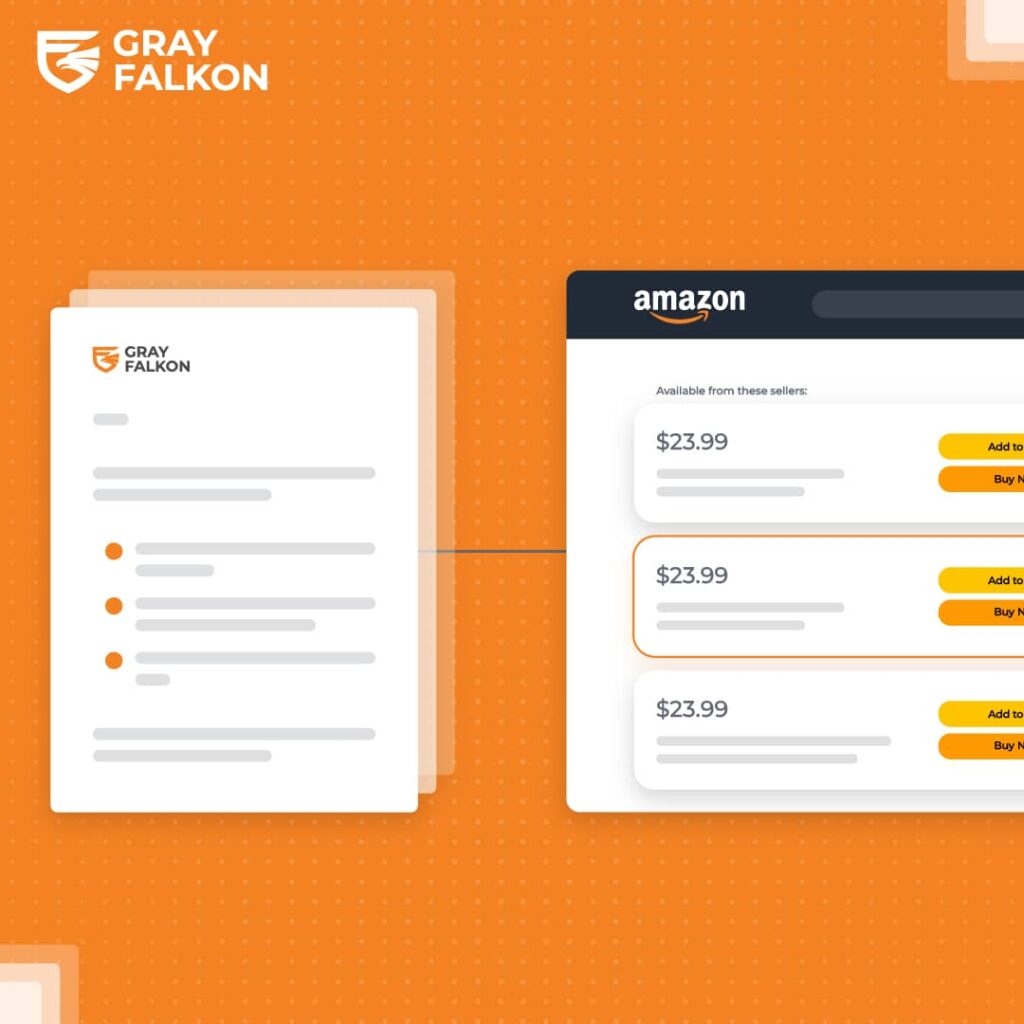
This is a form of Amazon arbitrage, where sellers purchase products at deeply discounted promotional prices during Prime Day and, after the promotion ends, relist them on Amazon for a profit. Although the reseller earns a margin over its purchase price, the listing price is often still below the brand’s post-promotion retail price. That lower offer can win the Featured Offer (formerly Buy Box), allowing the reseller to capture sales and traffic that would otherwise go to the brand or its authorized sellers.
For brands, this arbitrage activity often creates the Prime Day Aftershock: increased unauthorized seller activity, Buy Box volatility, pricing instability, and marketplace disruption that can persist long after Prime Day is over.
What Is Amazon Arbitrage?
Amazon arbitrage occurs when sellers purchase products from retail stores or online retailers at lower prices and then resell them on Amazon for a profit. During Prime Day, overlapping promotions across Amazon, Walmart, Target, Best Buy, Costco, and other retailers create numerous sourcing opportunities for arbitrage sellers.
Rather than purchasing products through authorized wholesale distribution, these sellers acquire discounted retail inventory and later list it on Amazon once promotional pricing has ended.
While retail arbitrage itself is not inherently prohibited, it can create significant marketplace disruption for brands that rely on pricing consistency, authorized distribution, and stable Buy Box ownership.
Why Prime Day Creates the Perfect Conditions
Prime Day 2026 amplified this phenomenon in several ways. Amazon moved Prime Day into late June while maintaining its four-day format. At the same time, Walmart, Target, and other major retailers launched competing sales events that overlapped almost perfectly with Amazon’s promotion.
Instead of creating a single shopping event, the retail industry effectively created a week-long sourcing opportunity across multiple retailers.
For arbitrage sellers, this means more inventory sources, more pricing opportunities, and greater flexibility in acquiring branded products at promotional prices.
The categories most susceptible include:
- Apparel
- Beauty and personal care
- Vitamins and supplements
- Household essentials
- Consumer electronics
- Small appliances
- Toys
- Premium grocery products
These are also many of the same categories where brands place significant investments in advertising, promotions, and marketplace growth.
Why Purchase Limits Aren’t Enough
Many brands assume Amazon’s deal quantity limits are enough to discourage retail arbitrage. While purchase limits can reduce the volume a single customer buys in one transaction, they don’t eliminate the broader opportunity created by major promotional events.
Experienced marketplace sellers may use multiple purchasing methods (including separate customer accounts, business purchasing accounts where appropriate, or sourcing from competing retailers running overlapping promotions) to acquire larger quantities of discounted inventory. The result is that products purchased during Prime Day can still find their way back onto Amazon through unauthorized channels after the promotion ends.
For brands, the takeaway is simple: purchase limits may slow Promotional Inventory Spillover, but they shouldn’t be viewed as a substitute for ongoing marketplace monitoring and control.
“Quantity limits may reduce opportunistic buying, but they don’t eliminate retail arbitrage. Experienced marketplace sellers have multiple ways to source promotional inventory beyond a single Prime Day purchase.”
— Josh Tuckman, Gray Falkon Vice President of Sales & Former Amazon Senior Vendor Manager
The Aftershock Begins When Prime Day Ends
One of the biggest misconceptions about Prime Day is that marketplace disruption ends when the deals expire. In reality, the opposite is often true. As promotional inventory begins entering secondary marketplace channels through arbitrage, brands frequently experience:
- New unauthorized sellers attaching to ASINs
- Increased Buy Box competition
- Pricing instability
- Inventory sourced outside authorized distribution
- Greater customer experience inconsistency
- Advertising dollars driving sales for unauthorized sellers
The challenge isn’t simply that more sellers appear. It’s that many arrive with inventory purchased during Prime Day promotions, making the weeks following the event one of the most important periods for marketplace control.
Why Amazon Arbitrage Matters
Retail arbitrage is only part of the story. The larger issue is how Amazon arbitrage affects overall marketplace performance.
Advertising Efficiency
Brands often increase advertising investments during Prime Day to maximize visibility and sales. When unauthorized arbitrage sellers gain Buy Box ownership after the event, those marketing investments may continue generating traffic while another seller captures the conversion.
Pricing Stability
An influx of arbitrage inventory can create downward pricing pressure that erodes margins and disrupts carefully planned pricing strategies.
Customer Trust
Products sold through unauthorized arbitrage channels may arrive damaged, expired, incomplete, or without manufacturer support, creating customer experiences the brand cannot control.
Marketplace Visibility
A sudden increase in arbitrage sellers can distort seller trends, pricing visibility, inventory signals, and marketplace intelligence that brands rely on to make informed business decisions.
The 30-Day Window Is Critical
Prime Day lasts four days. Its marketplace impact can last much longer. The weeks following Prime Day are often when post-Prime Day arbitrage activity becomes most visible. Brands should closely monitor:
- New seller activity
- Buy Box ownership
- Pricing fluctuations
- Inventory movement
- Seller sourcing trends
- Marketplace policy violations
Early visibility allows brands to address marketplace disruption before unauthorized arbitrage sellers become established on key listings.
Marketplace Control Is a Year-Round Strategy
Prime Day should generate lasting growth — not lasting marketplace disruption.
While promotional events naturally increase product movement across retail channels, they also increase opportunities for Amazon arbitrage. That’s why leading brands increasingly view marketplace control as an ongoing business strategy rather than a reactive response to unauthorized sellers. The objective isn’t simply to remove sellers. It’s to maintain pricing stability, improve advertising efficiency, strengthen customer trust, and preserve marketplace performance before, during, and after major retail events. Because while Prime Day may last only four days, the Prime Day Aftershock can influence marketplace performance for weeks.
How Gray Falkon Helps Brands Navigate the Prime Day Aftershock
The end of Prime Day marks the beginning of one of the most important periods for marketplace control. As promotional inventory enters unauthorized channels, new sellers can appear, pricing becomes less stable, and Buy Box competition intensifies.
Gray Falkon helps brands stay ahead of these challenges with continuous AI-powered marketplace monitoring, seller engagement, policy-driven marketplace reporting, and actionable marketplace intelligence. The result is greater pricing stability, stronger advertising efficiency, improved customer trust, and better control of your marketplace presence — long after Prime Day ends.
AI-Powered Marketplace Monitoring
Marketplace disruption doesn’t begin when Prime Day ends. It begins as discounted inventory purchased during promotional events starts reappearing through unauthorized marketplace sellers.
Gray Falkon’s AI-powered platform continuously monitors Amazon and other major marketplaces to identify unauthorized seller activity and marketplace changes that can disrupt pricing, Buy Box stability, advertising performance, and customer trust.
Because monitoring is always on, brands gain early visibility into marketplace changes— not weeks after unauthorized sellers have become established. This enables faster, more informed marketplace engagement and helps maintain greater control before, during, and after major sales events.
Automated Seller Engagement
Marketplace control isn’t just about identifying unauthorized sellers — it’s also about understanding how products are entering unauthorized channels.
Gray Falkon’s Seller Engagement communicates with unauthorized sellers on behalf of brands to gather marketplace intelligence, better understand sourcing patterns, and encourage voluntary compliance when appropriate.
These insights can help brands:
- Better understand potential sources of unauthorized inventory
- Identify recurring seller behaviors and marketplace trends
- Support broader marketplace engagement strategies
Compliant Marketplace Engagement
When unauthorized sellers emerge, responding quickly can help limit the marketplace disruption they create. Gray Falkon’s Full Deployment solution automates marketplace engagement by generating policy-aligned reports at scale, helping brands address unauthorized seller activity before it affects pricing stability, Buy Box ownership, and customer trust.
This approach provides:
- Timely violation reporting, aligned with Amazon’s marketplace policies
- Reduced manual effort for internal teams managing promotions, advertising, and inventory during peak retail events
- Ongoing marketplace engagement before, during, and after Prime Day to help reduce unauthorized seller activity and marketplace disruption.
By engaging marketplaces early and consistently, brands are better positioned to maintain pricing consistency, protect Buy Box stability, and preserve the long-term value of their Prime Day marketing investments.
Brand Success Strategists
Technology provides visibility. Strategy drives results.
Every Gray Falkon customer is supported by a dedicated Brand Success Strategist who helps translate marketplace intelligence into action. From identifying the sellers creating the greatest business impact to monitoring marketplace trends and recommending strategic next steps, your strategist helps you maintain greater marketplace control before, during, and after major retail events.
By combining AI-powered insights with ongoing strategic guidance, Gray Falkon helps brands reduce marketplace disruption, improve pricing stability, protect advertising efficiency, and strengthen customer trust.
Marketplace Brand Protection Portal
Full Deployment customers gain access to Gray Falkon’s Marketplace Brand Protection Portal, a centralized dashboard suite that transforms monitoring and engagement activity into actionable insights.
Key dashboards include:
- Overview Dashboard: An executive snapshot of marketplace activity, engagement, and overall brand control across marketplaces.
- Products Dashboard: Visibility into the ASINs most affected by unauthorized seller activity, pricing instability, and Buy Box competition.
- Sellers Dashboard: Detailed insights into seller activity, marketplace trends, recurring sellers, and changes in seller composition over time.
With real-time visibility into marketplace dynamics, brands can identify emerging risks, measure the impact of marketplace engagement, and make more informed decisions before, during, and after major retail events. Instead of discovering marketplace disruption after Prime Day, they have the insights needed to maintain greater marketplace control as conditions evolve.
Key Takeaways
- Prime Day creates ideal sourcing opportunities for retail arbitrage sellers.
- Amazon arbitrage can increase unauthorized seller activity after major retail events.
- The weeks following Prime Day are often when pricing instability and Buy Box competition become most apparent.
- Brands should continue monitoring seller activity well after promotional events end.
- Marketplace control is essential to protecting the long-term value of Prime Day marketing investments.
Protect Your Marketplace Beyond Prime Day
Prime Day may be over, but marketplace disruption doesn’t stop when the deals end.
Gray Falkon helps brands identify unauthorized seller activity, engage marketplaces using policy-supported evidence, and maintain greater marketplace control before, during, and after the year’s biggest retail events.
Schedule a demo today to see how Gray Falkon helps brands protect their marketplace investments year-round.